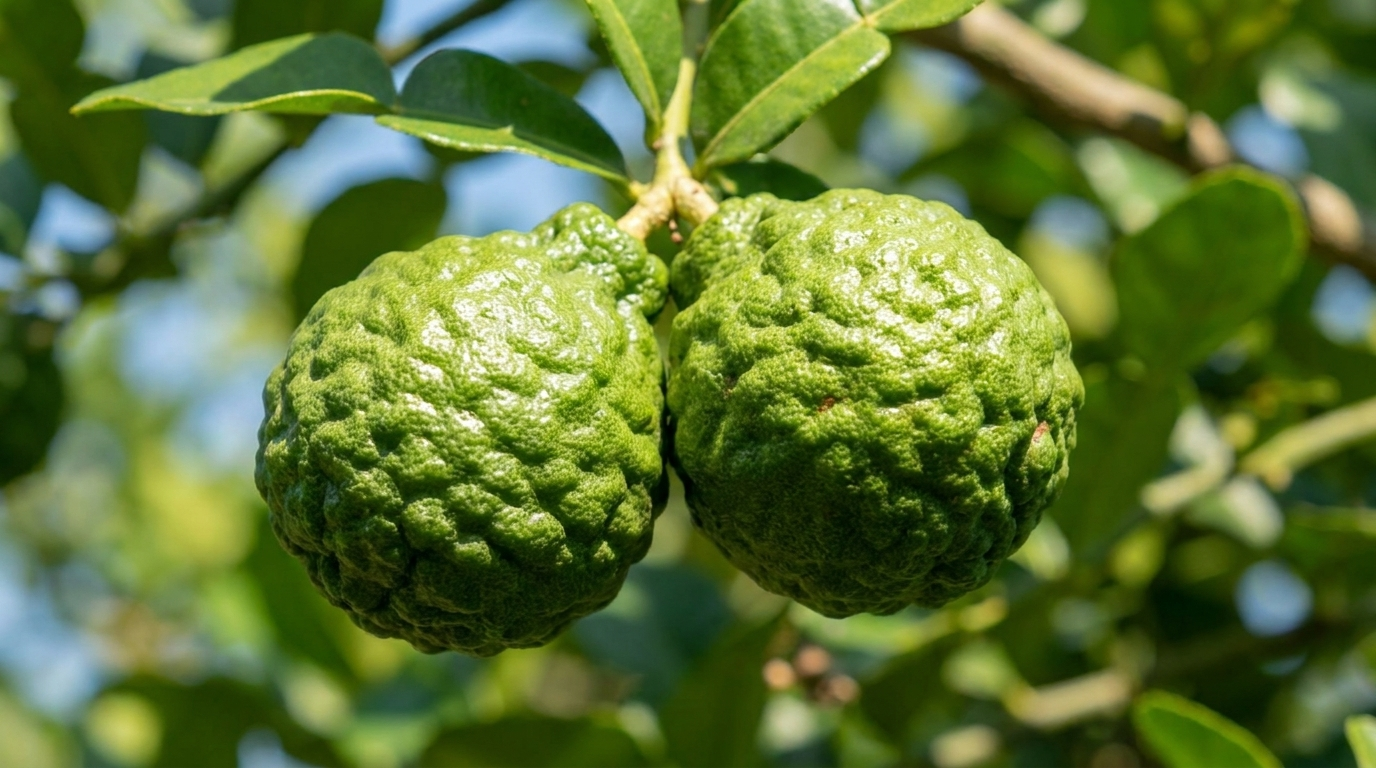
The Calabrian Fruit Nobody Had Heard Of
Citrus bergamot (Citrus bergamia) is a small, bitter citrus fruit grown almost exclusively in a narrow coastal strip of Calabria, Italy. It has been used for centuries in the region — the essential oil is what gives Earl Grey tea its distinctive flavor. What most people don’t know is that the fruit’s polyphenol fraction has one of the most impressive lipid-lowering track records in supplement research, producing results that rival low-to-moderate dose statins without the associated muscle symptoms or CoQ10 depletion.
The bioactive compounds in bergamot — primarily neohesperidin, naringin, neoeriocitrin, and brutieridine — work through several mechanisms. They inhibit HMG-CoA reductase, the same enzyme targeted by statin drugs (though less potently). They activate AMPK, the metabolic switch that also reduces liver glucose output and improves insulin sensitivity. And they reduce oxidized LDL, the form of LDL most directly implicated in arterial plaque formation.
The Clinical Numbers
The most-cited clinical data on bergamot polyphenol fraction (BPF) comes from Italian trials led by Dr. Vincenzo Mollace. In a study of patients with mixed dyslipidemia, 500–1000mg of BPF daily for 30 days produced: total cholesterol reduction from 262 to 196 mg/dL, LDL reduction from 175 to 116 mg/dL, triglyceride reduction from 252 to 170 mg/dL, and a simultaneous increase in HDL cholesterol. These are substantial changes — the kind that typically require a prescription.
A 2024 randomized, double-blind, placebo-controlled trial of 64 subjects with elevated cholesterol found that 4 months of bergamot flavonoid extract produced an 8.8% reduction in total cholesterol and 11.5% reduction in LDL, along with a 5.5% increase in HDL. The study also found reduced oxidized LDL and improved antioxidant enzyme activity, confirmed by PON1 measurements.
Particularly relevant for people who cannot tolerate statins: a study of statin-intolerant patients found that 1500mg/day of BPF produced 25% reduction in total cholesterol and 27.6% reduction in LDL without reappearance of the muscle pain that forced them off statins. Bergamot achieves lipid lowering without depleting CoQ10.
“Bergamot inhibits the same enzyme as statins but leaves CoQ10 intact. For people who need lipid management but can’t tolerate statin side effects, this is worth knowing about.”
Blood Sugar and Metabolic Benefits
Beyond lipids, bergamot’s AMPK activation produces downstream glucose-lowering effects. The Mollace trials showed reductions in fasting blood glucose alongside the lipid improvements. AMPK activation in the liver reduces gluconeogenesis — the liver’s production of glucose from non-carbohydrate sources, which is chronically elevated in T2D and contributes significantly to elevated fasting glucose.
The antioxidant polyphenols in bergamot also reduce systemic oxidative stress, which is relevant for T2D patients because chronic hyperglycemia generates significant oxidative damage to blood vessels, nerves, and organs. Reducing oxidative load is protective regardless of whether glucose itself is being directly targeted.
How to Take It
Dose: 500–1000mg of bergamot polyphenol fraction (BPF) daily. The standardized extract is what produces the clinical results — not bergamot essential oil, which is used in aromatherapy and is not orally safe in quantity. Look for a product standardized to at least 25–40% polyphenols or labeled as BPF.
Timing: With food. The fat-soluble polyphenols absorb better in the presence of dietary fat.
Interactions: Because bergamot has HMG-CoA reductase inhibiting activity similar to statins, combining it with a statin is additive. If you are already on a statin, adding bergamot may produce greater lipid lowering than expected — discuss with your physician. Bergamot may also interact with medications metabolized by CYP3A4 liver enzymes, including some statins and calcium channel blockers. Standard bergamot juice (not extract) is a known CYP3A4 inhibitor.
This page is for informational purposes only and is not medical advice. Consult your physician before making changes to your medications or supplement regimen.
Sources
- Mollace, V. et al. (2011). Hypolipemic and hypoglycaemic activity of bergamot polyphenols. Fitoterapia, 82(3).
- PMC (2024). Citrus bergamia extract: a natural approach for cholesterol and lipid metabolism management. PMC11641072.
- OAText (2019). Clinical application of bergamot for reducing high cholesterol and cardiovascular disease markers. oatext.com
- Bale/Doneen Method. Bergamot: reducing cholesterol and cardiovascular disease markers. baledoneen.com